
The importance of planning is not to be underestimated.
The planning stage of any project is arguably the most important. Often management ignore planning in favour of getting on with the work, but time spent planning is time well spent as a well-planned project can save time and money and prevent problems. Every aspect of the project can be organised and all potential pitfalls identified.
Planning is the process of setting goals and creating steps you can follow to achieve those goals. Doing so helps guide you and makes it more likely that you achieve success, which can be especially helpful if you're part of an organisation’s management team. This means learning how to plan efficiently can help you achieve your management goals.
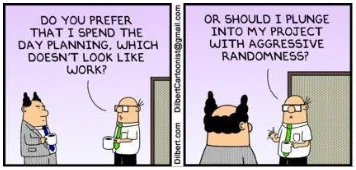
If you simply tackle things as and when they arise, certain issues are likely to arise:
-
Future work gets delayed.
When things take longer than expected, there is a knock-on effect. If you don’t plan, you don’t know if this will happen, or not. -
Costs increase.
When things drag on, it costs money. Even if you are using people who are already paid for, money is being wasted as they could be working on something else. -
Uncertainty increases.
Without a plan, nobody can say when things will happen. It’s a guessing game, adding to workplace stress and discomfort.